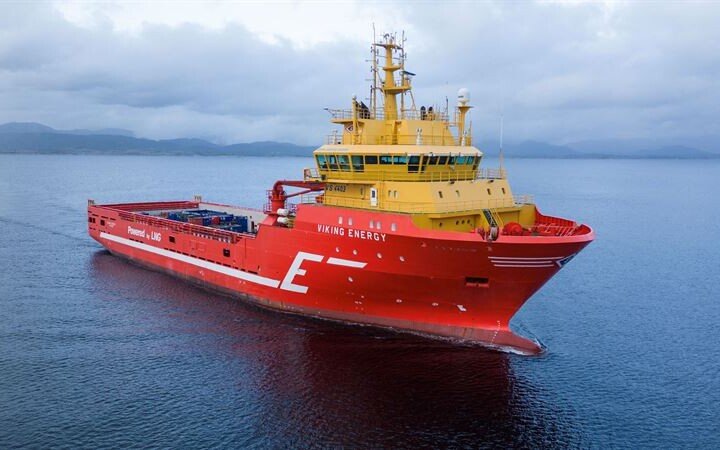
A psv vessel is a practical part of offshore logistics, but it also has a role in the energy sector’s environmental transition. For readers of greennewsdesk.net, the PSV is worth understanding because cleaner offshore operations depend on better support vessels, not only better platforms.
PSV stands for Platform Supply Vessel. Sirius Design & Integration describes PSV vessels as ships designed to supply offshore oil and gas platforms with equipment, materials, water, food, and personnel. These vessels are essential to daily offshore activity, which means their design has a direct effect on fuel use, safety, and operational impact.
Why PSV Efficiency Matters
Every offshore supply trip uses energy. A vessel may travel long distances, carry heavy cargo, hold position near platforms, and operate deck equipment in challenging weather. If the vessel is inefficient, emissions and costs rise across the entire supply chain.
A more efficient PSV can reduce fuel consumption while still delivering the cargo and reliability offshore operators need. This matters for companies trying to control costs and meet stronger environmental expectations.
Design Choices That Improve Performance
Efficiency begins with the hull. A hull designed for lower resistance can move through the water with less power. Propulsion systems also matter. Depending on the operating profile, hybrid power, battery support, optimized engines, or smarter energy management can reduce waste.
Deck layout influences efficiency too. If cargo is easy to load, secure, and unload, port time and offshore handling time can be reduced. Better workflow also supports safety, which prevents delays and incidents.
Cargo Flexibility and Fewer Wasted Trips
A PSV vessel often carries mixed cargo: containers, pipes, bulk materials, fuel, fresh water, spare parts, and supplies. Flexible cargo systems help operators make better use of each voyage. A well-planned vessel can carry what is needed without unnecessary trips or poor load planning.
This flexibility has environmental value. Fewer inefficient voyages mean lower fuel use and fewer emissions. It also improves reliability for offshore teams that depend on timely deliveries.
Safety as a Sustainability Issue
Safety and sustainability are connected. Incidents offshore can lead to spills, equipment loss, delays, and extra vessel movements. A safer PSV design reduces those risks.
Dynamic positioning, strong seakeeping, clear deck arrangements, reliable cargo systems, and good crew visibility all support safer operations. When a vessel can work efficiently in difficult conditions, it reduces the chance of costly disruptions.
The Role of System Integration
A modern PSV is a network of systems. Propulsion, power generation, cargo handling, navigation, communication, and safety equipment must work together. System integration helps reduce wasted energy and improves operational reliability.
Integrated monitoring can also help crews understand fuel use, equipment performance, and maintenance needs. Over time, that data can support cleaner and more predictable operations.
Read Also: How Smart Technology Is Improving Resource Efficiency
Looking Ahead
Offshore energy is changing. Even as oil and gas continue to require support, operators are under pressure to reduce environmental impact. PSV vessels designed with efficiency and flexibility in mind can help bridge that transition.
Future-ready designs may include lower-emission propulsion, digital monitoring, better energy management, and adaptable layouts. The goal is not only to move cargo, but to move it with less waste and more accountability.
Conclusion
A PSV vessel is essential to offshore supply, but its design can also support greener operations. Efficient hulls, smart systems, flexible cargo handling, and safer workflows all reduce waste. For the offshore sector, better PSV design is one practical step toward a cleaner and more reliable supply chain.